
 See Our Latest Article on HelloNation
What Causes the Sound When Joints Crack?
The familiar pop or crack you notice when stretching your fingers, knees, or back is typically not the result of bones rubbing together. Instead, it's most commonly caused by the rapid release of gas bubbles within the synovial fluid—a lubricating substance in your joints. When you stretch or move a joint, you create low pressure, allowing dissolved gases (mainly nitrogen) to form bubbles that collapse or "pop," creating that distinctive sound.
Other possible reasons for joint noises include:
- Tendons or ligaments snapping over bony structures
- Age-related cartilage wear, which can sometimes make joint sounds more frequent
Most of the time, this noise is harmless and does not indicate a problem with the bones or cartilage.
Is Joint Cracking Safe?
For most people living in the region, the urge to crack knuckles during winter days spent indoors or after outdoor chores is not dangerous. Clinical studies have found no evidence linking habitual knuckle cracking to arthritis or joint damage. Occasional popping is considered normal unless you also feel pain, swelling, or limited movement.
However, in some cases, issues to watch for include:
- Pain or discomfort with the sound
- Swelling or warmth around a joint
- Stiffness or reduced range of motion
If any of these symptoms accompany the noise, especially after a fall or injury, it may signal something more serious, such as a sprain, ligament injury, or cartilage problem.
Can Cracking Joints Lead to Arthritis?
A common concern among households and older adults is whether frequent cracking causes arthritis. Scientific research consistently shows no clear connection between joint cracking and the development of osteoarthritis, the most common form of arthritis in our region’s aging population.
Arthritis develops from a combination of factors, such as genetic predisposition, prior injuries, repetitive stress, obesity, and natural aging processes—not from making your knuckles pop.
Why Do People Feel Relief After Cracking Their Joints?
Some area residents report a feeling of relief or improved mobility after a joint “cracks.” This sensation might be linked to a quick stretching of the joint capsule, briefly increasing joint mobility and reducing muscle tension or tightness nearby.
This feeling is temporary, however, and repeated cracking does not provide ongoing benefits. For some, it’s a nervous habit or ritual done for comfort rather than any physical necessity.
When Should Joint Noises Be a Concern?
Most harmless joint popping comes without any discomfort. However, if you notice:
- Cracking accompanied by pain or swelling
- A joint “locks,” “catches,” or gives out after a pop
- Joint movement suddenly becomes limited

These changes may signal structural or inflammatory problems. In a cold, damp climate, joint aches or noises may sometimes increase, but persistent symptoms should not be ignored, especially if they follow an accident or are rapidly worsening.
What About Spinal or Back Cracking?
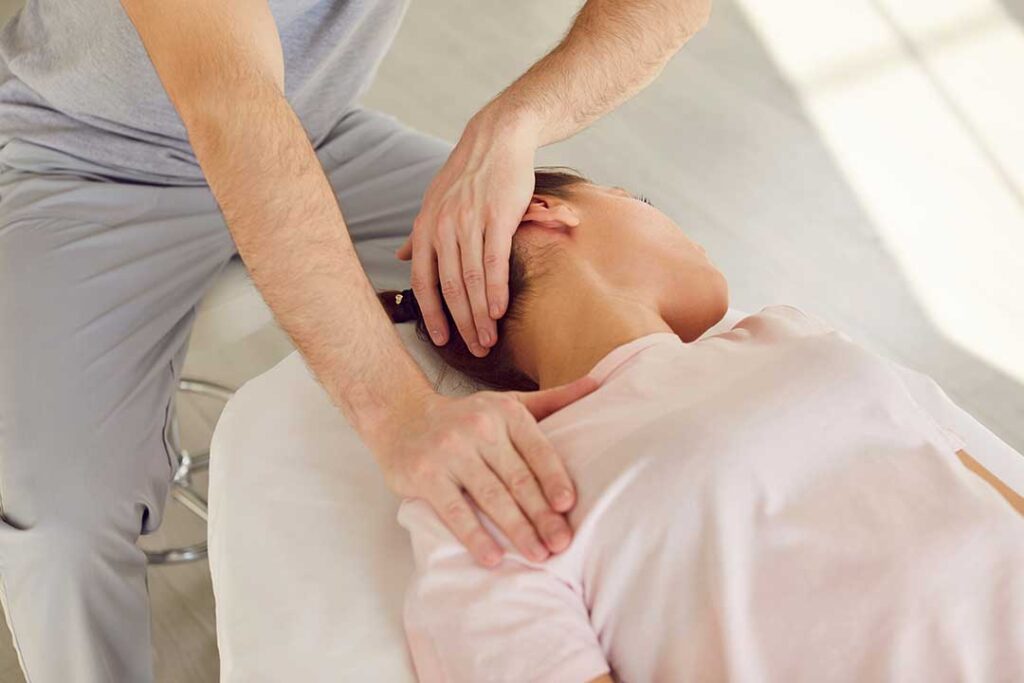
Whether occurring naturally with stretching or during physical activity, back and neck cracking follows the same mechanisms as finger joints: gas release from joint spaces. For residents who regularly perform heavy lifting, gardening, or shoveling snow, occasional spinal pops are common.
However, forceful or repeated cracking of the back or neck should be avoided. Uncontrolled manipulation carries risk, particularly for older adults or those with known spinal conditions. Gentle stretches and conscious movement are safer ways to support spinal health in the local climate.
Can Weather or Climate Affect Joint Noises?
Some in the city report that their joints “pop” more frequently during colder or damp weather. Although there is no scientific proof that the weather directly causes popping, changes in activity patterns—such as extra time spent indoors, changes in house humidity, or increased stiffness from less movement—may contribute.
Staying physically active, incorporating gentle stretching, and maintaining comfortable indoor temperatures can help keep joints flexible, even during long winters.
Practical Advice for Local Residents
- Stay active year-round to lubricate your joints naturally.
- Use supportive footwear indoors, especially on hard or uneven floors common in older homes.
- Warm up gently before shoveling, raking, or carrying heavy loads.
- Focus on slow, controlled movements if you need to stretch out tired or stiff joints.
- Monitor for pain, swelling, or sharp “catching” sensations, and seek proper evaluation if these occur.
Overall, mild and painless cracking is simply a part of human movement. Education and mindful habits, especially in a seasonal climate, support joint health for people of all ages in the community.
