
 See Our Latest Article on HelloNation
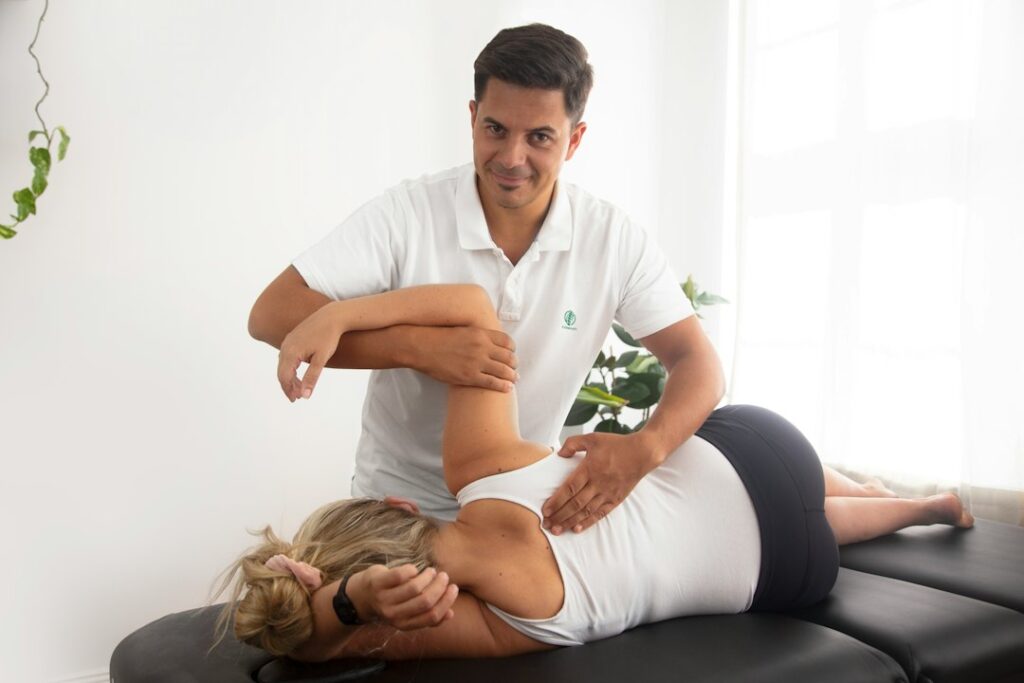
Pinched nerves can cause pain, tingling, numbness, burning, or weakness when nearby tissue places pressure on a nerve. The problem may develop in the neck, back, shoulder, wrist, hip, or leg. Although not every case can be prevented, daily habits involving posture, lifting, movement, and general health can reduce avoidable strain.
For residents of Hyde Park, NY, prevention may be especially relevant during periods of prolonged driving, home maintenance, snow clearing, gardening, recreational activity, or long hours at a desk. The goal is not to keep the body rigid. It is to avoid staying in one position or repeating stressful movements for too long.
What causes a pinched nerve?
A pinched nerve develops when a nerve is compressed, irritated, or crowded by surrounding structures. Common causes include a bulging or herniated spinal disk, arthritis-related changes, swollen tissues, muscle tension, injury, or repeated pressure at areas such as the wrist or elbow.
The location of symptoms can offer clues:
- Neck irritation may cause pain, tingling, or weakness into the shoulder, arm, or hand.
- Lower-back irritation may send symptoms into the buttock, thigh, calf, or foot.
- Wrist compression may affect the thumb, index finger, middle finger, and part of the hand.
- Elbow or shoulder compression may cause localized numbness, aching, or weakness.
A pinched nerve is not the only explanation for numbness or tingling. Circulation problems, diabetes, vitamin deficiencies, medication effects, and other nerve conditions can produce similar symptoms.
Can posture prevent a pinched nerve?
Good posture can reduce unnecessary pressure, particularly when sitting, using screens, or driving. It cannot guarantee that a nerve problem will never occur, but it helps limit prolonged strain.
When seated, keep both feet supported and allow the lower back to rest against the chair. The head should remain generally above the shoulders rather than pushed forward. A screen positioned near eye level can reduce the tendency to bend the neck downward for long periods.
Avoid treating posture as a single “perfect” position. Remaining motionless in an upright position can also create fatigue. Change positions regularly, stand briefly, walk around, or perform gentle movements throughout the day.
During longer drives, adjust the seat so the back is supported and the shoulders can remain relaxed. Avoid reaching far forward toward the steering wheel or holding the neck in one fixed position.
How should lifting be handled?
Poor lifting mechanics can irritate the spine and the nerves that pass through it. Before lifting, consider whether the object is too heavy, awkward, unstable, or difficult to grip.
A safer approach includes:
- Stand close to the object with the feet positioned for balance.
- Bend through the hips and knees rather than rounding only through the lower back.
- Keep the load close to the body.
- Lift smoothly instead of jerking.
- Turn with the feet rather than twisting the spine while holding weight.
- Divide heavy loads into smaller portions when possible.
- Use assistance for bulky or unusually heavy objects.
Seasonal tasks can create preventable strain. Shoveling, moving outdoor equipment, carrying boxes, and clearing wet leaves all become more demanding when performed quickly or with repeated twisting. Shorter work periods with pauses are generally easier on the back and upper body than one prolonged effort.
Why do breaks matter?
Repetitive movement and static posture can both contribute to nerve irritation. Typing, using hand tools, gripping equipment, folding laundry, or working overhead may become stressful when performed continuously.
A brief break does not need to interrupt the entire day. Every 20 to 30 minutes, change position, relax the hands, lower the shoulders, and walk for a minute or two. Alternate tasks when possible so the same joints and muscles are not loaded repeatedly.
For desk or hand-intensive work:
- Keep the wrists as straight and relaxed as possible.
- Avoid resting the elbows or wrists against hard edges for long periods.
- Keep frequently used objects close enough to avoid repeated reaching.
- Use both hands for tasks that require force.
- Stop or modify an activity if it consistently causes tingling or numbness.
Stretching should feel gentle. Forceful stretching into pain, burning, or increased tingling can aggravate an irritated nerve.
Can exercise lower the risk?
Regular physical activity can help maintain strength, flexibility, balance, and body control. Strong muscles do not eliminate the possibility of a pinched nerve, but they may make everyday lifting and movement less demanding.
A balanced routine can include walking, moderate strengthening, mobility exercises, and activities that support balance. Core and hip strength may help with lifting and lower-back control, while shoulder-blade and upper-back strength can support better neck and shoulder mechanics.
Begin gradually if activity has been limited. Sudden increases in exercise, especially lifting or overhead work, may overload tissues that are not prepared for the demand. Warm up before strenuous activity and allow recovery between harder sessions.
People with diabetes should also pay attention to blood sugar management because diabetes can contribute to nerve damage that is different from a mechanically pinched nerve.

What sleeping habits may help?
Sleep position can place pressure on the neck, shoulder, hip, or arm for several hours. A pillow should support the head without forcing the neck sharply upward or downward. Side sleepers may benefit from keeping the neck aligned with the rest of the spine and placing a pillow between the knees if it improves comfort.
Avoid sleeping with an arm folded tightly beneath the head or body. Prolonged pressure on the shoulder, elbow, wrist, or hip can cause temporary numbness and may worsen symptoms in an already irritated nerve.
If pain or tingling repeatedly wakes someone, the sleep position, pillow height, mattress support, and daytime activity pattern may all deserve attention.
When should symptoms be evaluated?
Mild symptoms that clearly follow an awkward position may improve after pressure is removed and normal movement resumes. Persistent, recurring, or worsening symptoms deserve medical evaluation because the cause may require specific treatment.
Seek prompt care for:
- New or increasing muscle weakness
- Difficulty walking, gripping, lifting the foot, or using an arm
- Numbness that does not improve
- Symptoms after a significant fall, collision, or other injury
- Loss of bladder or bowel control
- Numbness around the inner thighs or groin
- Severe neck or back pain with fever or unexplained weight loss
Emergency care is appropriate for sudden weakness, loss of coordination, facial drooping, speech trouble, severe confusion, or numbness occurring with other possible stroke symptoms.
A chiropractor, primary care clinician, physical therapist, neurologist, or orthopedic clinician may be involved depending on the location, severity, and suspected cause. The most useful evaluation considers the pattern of symptoms, strength, reflexes, sensation, movement, and any underlying health conditions.
What is the most practical prevention plan?
The most reliable approach is a combination of small adjustments:
- Move regularly instead of remaining in one position for hours.
- Lift with the legs and keep loads close.
- Avoid repeated twisting, forceful gripping, and prolonged overhead work.
- Set up screens, chairs, tools, and work surfaces to reduce awkward reaching.
- Build strength and flexibility gradually.
- Protect sleep position and avoid prolonged pressure on the limbs.
- Take recurring numbness, tingling, or weakness seriously.
Prevention is less about maintaining perfect posture and more about giving the nerves regular relief from compression, repetition, and excessive force.
